


1099 vs. W-2: How Real Estate Agent Taxes Actually Work
If you’re new to real estate and coming from a W-2 job, the tax side of this business can be a genuine shock. Here’s what actually changes.
The Core Difference
As a W-2 employee, your employer withholds income tax, Social Security, and Medicare from every paycheck automatically, and often splits the Social Security/Medicare cost with you. As a 1099 independent contractor, which is how the vast majority of real estate agents are classified, none of that happens automatically. You receive your full commission, and you’re personally responsible for setting aside and paying your own taxes.
What You’re Actually Responsible For
Self-Employment Tax
This covers the Social Security and Medicare tax that an employer would normally split with you. As a 1099 contractor, you’re responsible for the full amount yourself, calculated on your net self-employment income. When you are employed you pay 7.65% of your income toward Social Security Taxes and Medicare, and your employer pays the other 7.65%. When you are self employed you pay both sides for a total of 15.3% self employment tax.
Federal and State Income Tax
Same as any employee you owe income tax on your net income after business deductions, but again, nobody is withholding it for you along the way so it is your sole responsibility to set it aside and pay it when it is due.
Quarterly Estimated Payments
Because there’s no employer withholding, the IRS expects self-employed individuals to pay estimated taxes quarterly rather than in one lump sum the following April. Underpaying throughout the year can result in penalties even if you pay the full balance by the deadline. Many real estate agents are paying penalties and don’t even realize it.
Why This Catches New Agents Off Guard
The most common mistake: treating gross commission as spendable income. If a $12,000 commission check comes in and none of it has been set aside for taxes, that number can look a lot bigger than what’s actually available after tax obligations are accounted for. Agents who don’t build the habit of setting aside a portion of every commission check often find themselves with a large, unexpected tax bill and sometimes penalties for underpayment the following spring.
The Upside: Deductions
The tradeoff for handling your own taxes is that, unlike most W-2 employees, you can deduct legitimate business expenses directly against your income. Mileage, marketing, MLS dues, home office, professional development, and more. This is a meaningful advantage if you’re tracking those expenses consistently; it’s a missed opportunity if you’re not.
A Simple System to Avoid Surprises
-
- Open a separate savings account, preferably a high yield savings account, specifically for taxes or make payments from every commission directly to the IRS using the IRS Direct Pay Portal.
- Every time a commission check clears, move a percentage to that savings account or pay it directly to the IRS. A reasonable starting point is a quarter to a third of net income, though your actual rate depends on your total income, deductions, and state.
- If you are not paying the IRS directly out of each commission, pay quarterly estimated taxes on the IRS schedule rather than waiting until the annual deadline.
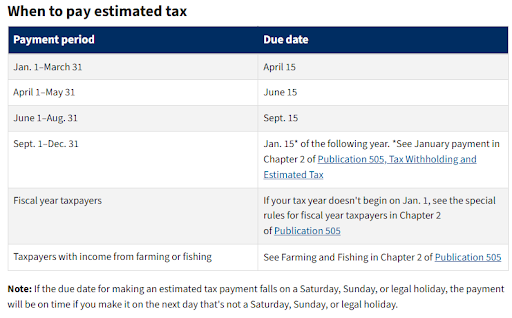
- Track deductible expenses year-round so your estimated payments and year-end filing reflect your actual net income, not your gross.
The Bottom Line
The 1099 structure gives real estate agents more control and more deduction opportunities than a typical W-2 job but it also puts the entire burden of tax planning on the agent. Understanding this early, and building the habit of setting money aside from day one, is the difference between tax season being routine and tax season being a crisis.
If you want to learn about additional tax deductions and strategies that can add up to tens of thousands of dollars in savings check out (LINK)“Advanced Tax Strategies for Real EState Agents.”
REProphet combines technology and industry experience to automate high level bookkeeping for real estate agents to ensure that they are maximizing their production, their profit and their deductions. And we do it at a fraction of the cost. Schedule a “Demo Discovery Call” with our team today to see how we can help you.
This post is educational and general in nature, not individualized tax advice. Consult a licensed CPA or tax professional to confirm current rates and how they apply to your specific situation.